Pirate Kings™️
- 4.3
- Rating
- 50.00M
- Installs
- Free
- Price

 Analysis by App-foxy
I expected a light pirate-themed time killer, but Pirate Kings™️ quickly showed me that its real appeal comes from the way it turns very small decisions into a playful routine. I spin, collect rewards, improve an island, and sometimes interfere with another player’s progress. The loop is simple enough to understand immediately, yet it has just enough anticipation to make me check back later.
That simplicity is important because this is a casual game rather than a long-form strategy experience. Playtika has built it for short sessions, social reactions, and visible progress. I can open it when I have a spare minute, make a few moves, and leave without needing to remember a complicated battle plan. At the same time, the pirate presentation gives those small actions more personality than a plain reward wheel would have.
The game is free to start and suitable for players aged 10 and over. It has reached more than 50 million installs, with an average rating of 4.3 from around 1.4 million ratings. Those figures suggest a broad audience, but they do not remove the need to understand the game’s rhythm: it is built around waiting, chance, upgrades, and occasional pressure to spend.
You May Also Like

 Pandora - Music & Podcasts
Pandora’s Music Is Easy to Start, but Harder to Recover
Pandora’s strength is its low-effort path from a seed to a station. Its weak spot is how much confidence it asks you to place in connection, setup, and quiet recovery.

 AccuWeather: Weather Radar
AccuWeather Review: A Quick, Clear Forecast for Everyday Decisions
For everyday plans, the best forecast is the one you can understand quickly. AccuWeather makes rain timing, radar, and local conditions easy to act on, with a few trade-offs.

 Hill Climb Racing
Why Hill Climb Racing Still Turns Crashes Into One More Run
A tiny car, a bumpy hill and one more upgrade: Hill Climb Racing keeps resurfacing because its simple chaos makes every near-miss feel personal.

 AliExpress - Shopping App
AliExpress Makes Global Shopping Feel Personal, but Shoppers Bear the Risk
AliExpress turns a global marketplace into a pocket-sized discovery engine. Its reach is useful, its shopping loop compelling, and its trade-offs easy to miss.

 Lords Mobile: Kingdom Wars
Lords Mobile Is a Kingdom-Building Routine, Not a Quick Match
A case-by-case verdict on the building, battles, device demands, and social commitments that make Lords Mobile rewarding for some players and exhausting for others.

 PDF Scanner app - TapScanner
TapScanner Makes Paperwork Easier to Capture, Check, and Share
TapScanner makes scanning with a phone feel less like a rescue operation and more like a dependable step in getting work done. Its capture tools are useful, though not flawless.
More From Our News Desk
View All News


A cheerful pirate world built around quick decisions
I found the game’s appeal lies less in mastering a pirate world than in deciding what to do with a few spare moments. Its cheerful presentation makes progress easy to follow, while the chance-driven loop means each visit can turn out differently. That balance is worth keeping in mind as I look at how the island, rewards, and social mischief work together.
The first few minutes explain the appeal
My first impression was that the game does not ask me to learn a large rulebook. The central action is easy to grasp, and the island gives every reward a visible purpose. Instead of collecting abstract points that disappear into a menu, I can see progress taking shape in the setting. That visual feedback makes even a modest gain feel connected to something I am building.
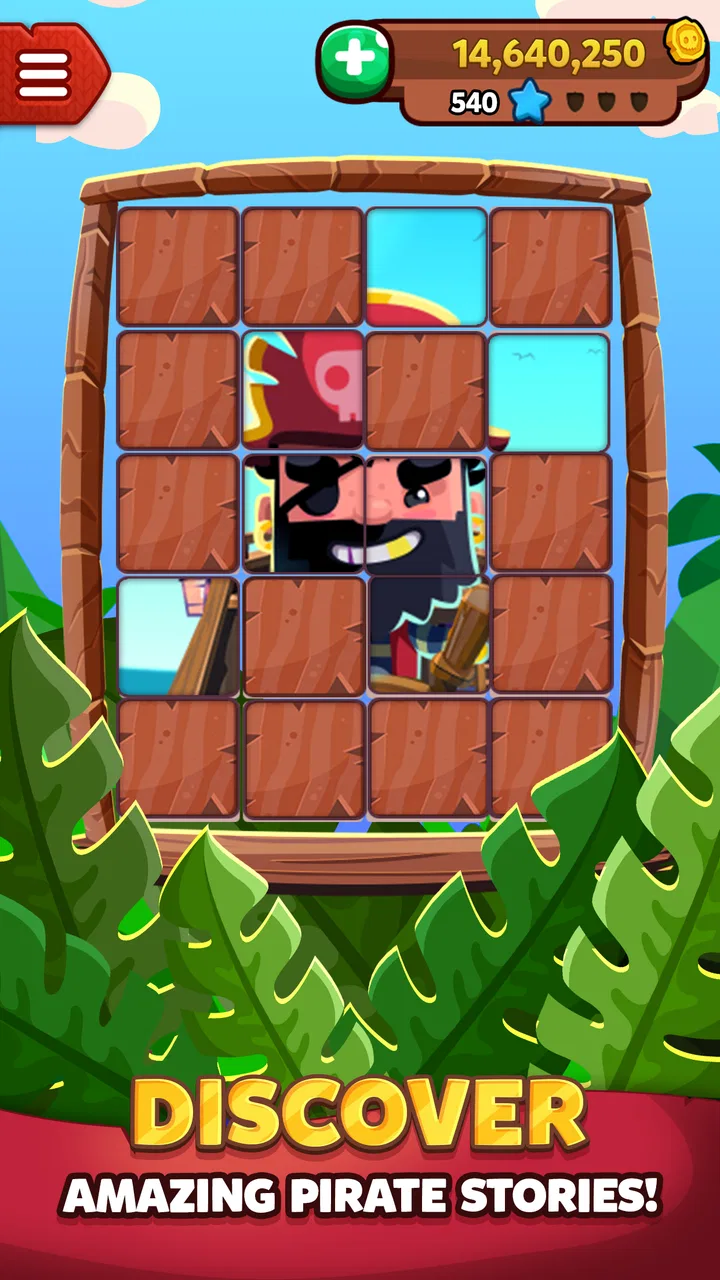
The pirate theme also gives the game a clear emotional direction. Attacking, raiding, and stealing are presented as mischievous play rather than serious conflict. The tone is colorful and exaggerated, so the competitive actions feel closer to cartoon rivalry than a demanding combat simulator. I found that distinction useful: the game wants me to enjoy the idea of being a troublesome pirate, not to manage a realistic crew or naval campaign.
There is a satisfying contrast between the friendly appearance and the disruptive actions. I may be improving my own island one moment and damaging somebody else’s progress the next. That contrast creates the game’s main social spark. It also explains why the experience can feel more memorable than a purely decorative island builder, even though the underlying actions remain straightforward.
Art direction makes progress easy to read
The visual design works best when it communicates status at a glance. Buildings, island elements, and rewards are arranged so that I can quickly tell whether I am advancing or still need more resources. This matters on a phone, where I often play while distracted. I do not want to inspect several dense screens just to understand what changed after a spin.
The artwork keeps the pirate identity consistent without making the screen feel grim. Bright colors, comic expressions, and exaggerated objects support the game’s playful attitude. The setting is not trying to deliver a deep historical interpretation of piracy, and I think that is the right choice. A more serious style would clash with the random rewards and light social mischief at the center of the experience.
One useful habit is to pause after a reward rather than tapping through everything automatically. The island presentation helps me notice which improvement is closest to completion and whether a new reward changes my short-term priorities. This is a small but meaningful difference between playing actively and simply pressing the most obvious button.
How the setting shapes the mood
The island is more than a backdrop. It gives the game a sense of direction. A reward feels better when it contributes to a recognizable place, and an attack feels more personal when it is framed as interference with another island. The setting turns a sequence of chance-based outcomes into a tiny story: I am gathering resources, making progress, and occasionally causing trouble.
I would not describe the world as deeply explorable. Its purpose is to organize the game’s loop, not to offer a large environment full of hidden paths or narrative discoveries. Players looking for a pirate adventure with exploration, character development, or tactical sailing will find the setting much lighter than that. For short casual play, however, the limited scale keeps the presentation readable.
The strongest artistic choice is the consistency between theme and task. The game does not ask me to perform a serious economic simulation while showing me cartoon pirates. Everything points toward quick, cheeky decisions. That coherence makes the experience feel polished even when the individual mechanics are familiar.
Sound and the feeling of a short session
Sound plays a supporting role rather than carrying the entire experience. The game’s mood comes mainly from the combination of colorful visuals, reward feedback, and pirate framing. Audio helps mark moments of success and action, but I never felt that I needed to listen closely to understand what was happening.
That makes it comfortable for casual phone use. I can play in a public place or during a short break without treating the game like an audio-led experience. If I want a game where music, voice acting, or environmental sound creates a large emotional world, this is not the right destination. Its sound design is there to reinforce the rhythm of the loop, not to become the main attraction.
The pacing benefits from this restraint. A spin, a reward, or an attack can feel like a small event without turning into a long interruption. I especially appreciate that the game’s mood remains upbeat even when another player’s action affects my island. The presentation softens the frustration and keeps the rivalry within a playful frame.
Still, the same rhythm can become repetitive. The sound and visual feedback are effective when I play briefly, but repeated sessions can expose how often the same basic pattern returns. I recommend treating it as a game of small visits rather than trying to force a long uninterrupted session. The atmosphere is more enjoyable when the pacing has room to breathe.
Why the mechanics fit the pirate theme
The main mechanical idea is a natural match for the setting: I am not simply earning resources, I am taking chances as a pirate. The random outcome gives each action a little suspense, while the island provides a clear reason to care about the result. Attacking and raiding add a social edge that a standard idle builder would not have.
What I like is the low entry cost of each decision. I do not need to calculate a complicated formation or memorize a long upgrade tree before acting. That makes the game approachable for people who enjoy progress systems but do not want a demanding strategy title. The trade-off is that experienced strategy players may find the control too limited. Much of the excitement comes from what happens after the decision, not from constructing a precise plan.
The best way I found to play is to give each visit a small purpose. I might focus on advancing an island, watch for a chance to interfere with a rival, or simply use available turns and leave. This prevents the game from feeling like an endless stream of identical taps. It also helps me avoid spending resources impulsively when a more useful upgrade is close.
Another practical tip is to separate entertainment from optimization. The game encourages me to enjoy the surprise of a good outcome, but not every action will improve my position equally. If I treat every disappointing result as a problem that must be fixed immediately, the experience becomes stressful. If I accept the luck-based structure, the setbacks feel more like part of the pirate role.
Where chance and spending change the experience
The game’s free entry is a genuine advantage. I can try the complete basic loop without paying upfront, which makes it easy to decide whether the style suits me. However, in-app purchases range from $0.99 to $99.99 per item. That is a wide range, and it is the point where I think players need to be deliberate.
Because rewards and progress are tied to repeated actions, I can understand why a player might feel tempted to buy something after an unlucky run or when an upgrade is nearly within reach. My advice is to decide on a personal limit before playing, especially if the game becomes part of a daily routine. The pirate theme is lighthearted, but the desire to keep momentum can still feel persuasive.
This is also where the game differs from a traditional premium casual title. A paid puzzle game usually gives me a fixed set of challenges and a clearer relationship between time and progress. Here, the free structure offers frequent returns and social friction, but it also makes patience and spending choices part of the experience. Neither model is automatically better; they suit different expectations.
For younger players, the Everyone 10+ rating is a useful guide, but I would still recommend that families discuss purchases before handing over a device. The cartoon tone does not make every spending decision harmless. A simple rule such as playing without purchases, or using a pre-agreed limit, keeps the game closer to its intended casual role.
A realistic way to fit it into everyday life
I found the game most useful during short gaps in the day: waiting for an appointment, taking a quick break, or relaxing before bed. I can check the island, use what is available, and stop without losing the thread of a larger campaign. That makes it less demanding than a multiplayer battle game that expects constant attention or a puzzle game that requires a focused block of time.
A good routine is to open it with one clear question: what is the most sensible thing to do during this visit? If the answer is to collect, I collect. If an upgrade is close, I work toward it. If I am only opening the game because I feel pressured to maintain progress, I close it instead. That last option is important because the game is at its best when it feels like a choice, not an obligation.
It can also work as a light social game between friends who enjoy teasing each other. The attacks and raids create conversation without demanding the coordination of a team-based title. On the other hand, players who dislike seeing progress disrupted by other people may find the social layer irritating. In that case, a peaceful builder or a self-contained puzzle game would probably be a better fit.
What makes it different from other casual choices
Compared with a match-three game, this has less emphasis on solving a board and more emphasis on waiting for an outcome. Compared with an idle game, it gives the progress a stronger character and a more mischievous social identity. Compared with a full strategy game, it removes much of the planning burden. Its niche is the space between those categories: a quick progression game with a pirate costume and competitive interruptions.
That comparison also reveals its limits. If I want skill to determine nearly every result, I would choose a puzzle or action game instead. If I want a calm builder where nothing can damage my work, I would avoid the raid-focused structure. If I want a deep pirate campaign, I would look for a narrative adventure or strategy game. This title succeeds because it does not try to be all of those things.
The current version is 11.0.3, and the game has been available since May 9, 2014. Its long presence helps explain why the basic formula feels established rather than experimental. I see that as a strength for players who want a familiar, accessible routine, although people searching for a completely new casual mechanic may find the design conservative.
Who should play, and who should skip it
I recommend it to anyone who enjoys colorful progression, short sessions, and a little harmless rivalry. It is especially suitable for players who like checking in several times rather than committing to one long play period. The island presentation gives those visits a visible sense of purpose, and the pirate mood keeps the routine from feeling completely neutral.
I would be more cautious recommending it to players who need direct control over outcomes. Randomness is not a minor detail here; it shapes the pace and the emotional highs. Someone who becomes frustrated by unlucky results may not enjoy the central loop, even if they like the artwork.
I would also skip it if I were looking for a purchase-once experience without optional spending pressure. The free model is convenient, but the presence of items priced up to $99.99 means I would approach it with clear boundaries. A traditional premium game may provide a calmer relationship with progress.
The atmosphere holds together, with one important condition
After spending time with it, I think the game’s strongest achievement is its coherence. The art, setting, sound cues, and pacing all support the same idea: being a playful pirate who makes quick, slightly selfish decisions. Nothing feels especially deep on its own, but the pieces reinforce one another well.
The atmosphere is most effective when I play in short bursts and accept that luck is part of the entertainment. The moment I demand constant progress or try to optimize every outcome, the charm weakens. That is not a flaw unique to one session; it is a central trade-off of the design.
My final recommendation is positive, with sensible limits. Playtika’s casual game is easy to enter, visually clear, and unusually consistent in its pirate mood. I would install it for quick island-building and playful competition, not for deep strategy or a complete adventure. Set a spending boundary, play when you genuinely want a short distraction, and the game delivers a pleasantly mischievous routine.
In the end, Pirate Kings™️ works because it understands its scale. It does not need a huge world or complicated systems to create a recognizable feeling. A few minutes, a chance-based decision, a changing island, and a little social trouble are enough to make the experience feel distinct. For me, that makes it a good casual companion, provided I keep its luck-driven pacing and free-to-play pressures in view.
FAQs for Pirate Kings™️
01What is Pirate Kings™?
Pirate Kings™ is a casual mobile game in which you build and upgrade your own pirate island while attacking or raiding islands connected to other players. Gameplay revolves around spinning a wheel to earn coins, shields, attacks, and other rewards. Its colorful presentation and short sessions make it easy to play casually, although progress is closely tied to waiting times, limited spins, and collectible upgrades.
02Is Pirate Kings™ free to download and play?
Pirate Kings™ can generally be downloaded and played for free on supported Android and iOS devices. However, the game includes optional in-app purchases for items such as extra spins, coins, bundles, or other advantages. You can make progress without paying, but free resources may be limited and waiting periods can become more noticeable as you advance. Check your device’s store listing for current pricing and availability.
03Does Pirate Kings™ require an internet connection?
Yes, Pirate Kings™ is primarily designed to be played online. An internet connection is normally needed to synchronize your island, receive rewards, connect with friends, participate in attacks, and access promotional or event content. Offline play may be unavailable or severely restricted, so the game is better suited to users with reliable Wi-Fi or mobile data. Connection quality can also affect loading and reward updates.
04Can I play Pirate Kings™ with friends?
Pirate Kings™ includes social features that allow you to connect with friends and interact with other players. Depending on the current version, you may be able to invite friends, exchange certain rewards, view their islands, or attack and defend against them. These features can make progression more engaging, but they may require account linking or access to contacts and social platforms, so review permissions before enabling them.
05Is Pirate Kings™ suitable for children?
Pirate Kings™ uses bright cartoon graphics and simple mechanics, making it approachable for younger players, but parents should still review the game before allowing regular access. It may contain advertising, social interactions, and optional purchases, including randomized reward mechanics. To prevent accidental spending, use parental controls and disable or protect in-app purchases. Age ratings and available features can vary by country and device.
Pros
- Simple gameplay that is easy to learn within minutes.
- Short play sessions work well for quick breaks.
- Colorful island designs give the game a cheerful look.
- Frequent rewards help maintain progress without long sessions.
- Social features add friendly competition with other players.
Cons
- Energy limits can interrupt play when spins run out.
- Progress may feel slow without frequent logins or bonuses.
- Random spins make outcomes heavily dependent on luck.
- Notifications can become frequent and distracting.
- In-app purchases may be tempting for faster upgrades.

Pirate Kings™️
Gallery